









😼 1. Kneading: “Making Biscuits” with Their Paws
If you’ve ever felt your cat rhythmically pressing their paws into your lap or a blanket, you’ve seen “kneading.” It looks adorable — and a little weird.
Science says:
Kneading originates in kittenhood. Nursing kittens press their mother’s belly to stimulate milk flow. As adults, cats retain this motion as a comfort behavior — it releases endorphins and signals relaxation.
Some cats also mark territory while kneading, since their paw pads contain scent glands. When your cat kneads you, they’re basically saying: “You’re mine.”

🧠 Behavior insight: Kneading = affection + comfort + scent marking.
💡 Tip: Provide soft blankets or cushions — cats love having “approved” kneading zones.
🌀 2. The Zoomies: Midnight Races Through the House
It’s 2 a.m. and your cat suddenly turns into a racecar — darting across furniture, bouncing off walls, and yowling in excitement.
Science says:
This is called Frenetic Random Activity Periods (FRAPs) — bursts of energy that release built-up adrenaline. Indoor cats, especially younger ones, often have fewer outlets for their hunting instincts, so they sprint to “simulate” the chase.
🧠 Behavior insight: Zoomies are natural and healthy — they mimic the predatory burst cats would use in the wild.
💡 Tip: Schedule a 10-minute play session before bedtime using feather toys or laser pointers to help your cat burn off energy earlier.
🐦 3. Chirping at Birds
Ever seen your cat watching birds through a window — making little “chitter” or “chirp” sounds? Scientists believe this is one of the most mysterious (and cutest) feline behaviors.
Science says:
Chirping mimics the sound pattern cats make during hunting. Some ethologists believe it’s a mix of frustration and excitement when they spot prey they can’t reach.
Other studies suggest cats may instinctively mimic prey sounds — a primitive hunting adaptation to lure birds closer (a theory called predatory mimicry).
🧠 Behavior insight: Chirping = hunting instinct + excitement.
💡 Tip: Install a safe window perch or bird feeder outside to enrich your cat’s environment.
🐍 4. Knocking Things Off Tables
You carefully place a pen or a glass on the edge of a table… and your cat deliberately swats it onto the floor. Over and over again.

Science says:
This isn’t malice — it’s curiosity and play. Cats use their paws as sensory tools to explore how objects move and respond. A falling item triggers a reaction similar to prey darting away, stimulating the cat’s predatory brain.
🧠 Behavior insight: Knocking things = play-driven curiosity.
💡 Tip: Redirect with interactive toys — and keep breakables out of paw’s reach.
🛋️ 5. Scratching Furniture
To humans, it’s destructive. To cats, it’s essential.
Science says:
Scratching is both physical maintenance (to remove the outer claw sheath) and territorial communication. Cats have scent glands between their paw pads, so every scratch marks ownership.
It also provides muscle stretching and stress relief — think of it as a feline yoga session combined with personal branding.
🧠 Behavior insight: Scratching = claw care + scent marking + stretching.
💡 Tip: Provide vertical and horizontal scratchers. Sprinkle catnip to encourage use.
👁️ 6. Staring at “Nothing”
Ever notice your cat staring intently into an empty corner — like they’re seeing ghosts? Don’t worry (probably).
Science says:
Cats have superior hearing and motion detection, perceiving frequencies and movements we can’t. That “nothing” might be a tiny insect or the faint sound of pipes or electrical hums.
🧠 Behavior insight: Staring = heightened sensory awareness.
💡 Tip: Respect their instincts — but if staring is paired with anxiety or vocalization, rule out vision or cognitive issues with a vet.
🧴 7. Head-Butting and Rubbing Against You
Cats “bunt” or rub their heads and cheeks against your leg, phone, or even your face — a behavior that’s both cute and strategic.
Science says:
This is scent exchange — a form of social bonding. When your cat head-butts you, they’re marking you as part of their social group with facial pheromones. It’s a sign of trust and affection.
🧠 Behavior insight: Head-butting = bonding + scent-marking.
💡 Tip: Gently reciprocate — soft petting around the head reinforces the bond.
💤 8. Sleeping in Tiny, Odd Places
A shoebox. The laundry basket. On top of your laptop. Why do cats ignore the soft bed you bought them?
Science says:
Cats instinctively seek enclosed, warm, and secure spaces. In the wild, tight spots provide safety from predators. Your laptop? Warmth and your scent — irresistible combo.
🧠 Behavior insight: Hiding in small places = comfort + security.
💡 Tip: Offer cozy enclosed beds (like cave-style cat beds) in quiet corners.
🐾 9. Bringing You “Gifts” (a.k.a. Dead Prey)
Some cats proudly drop dead mice or insects at their owner’s feet. Gross? Yes. But it’s also a sign of love.

Science says:
Cats bring “prey” to their social group as part of teaching and bonding behavior. In the wild, mother cats bring food to kittens. By delivering their catch to you, your cat may think they’re sharing or teaching you to hunt.
🧠 Behavior insight: Gift-giving = affection + instinct.
💡 Tip: Praise gently (even if you’re horrified). Redirect the hunting urge with interactive play.
🕺 10. The Tail Twitch and Slow Blink
Two subtle cat behaviors reveal a lot about their emotions.
-
Tail Twitch: A gentle tail tip twitch means anticipation or focus. A fast, lashing tail often signals irritation.
-
Slow Blink: When your cat looks at you and blinks slowly, it’s their version of a kiss — a trust gesture recognized even in multi-cat groups.
Science says:
Studies confirm cats interpret slow blinks as friendly communication, triggering relaxation responses. It’s a proven way to strengthen human-cat bonds.
🧠 Behavior insight: Tail = mood barometer; Slow blink = trust signal.
💡 Tip: Try blinking slowly back — your cat may return the gesture!
🧠 What These Cat Behaviors Reveal About Their Minds
Collectively, these “weird” actions tell us one thing:
Cats are not unpredictable — they’re instinct-driven creatures balancing survival, comfort, and social bonding.
Key themes in feline behavior science:
-
Predatory instinct: Even the laziest indoor cat is a hunter at heart.
-
Scent communication: Cats rely on pheromones to create security and familiarity.
-
Sensory sensitivity: Superior hearing, smell, and vision guide their reactions.
-
Social bonding: Cats show affection subtly — through proximity, grooming, or gentle contact.
Understanding these foundations helps us interpret their quirks with empathy — and make adjustments for a happier coexistence.
🏡 How to Support Healthy Cat Behavior at Home
If you understand why your cat behaves the way it does, you can create an environment that meets their instincts:
| Need | How to Support |
|---|---|
| Hunting Simulation | Interactive toys, treat puzzles, scheduled play. |
| Safe Territory | Multiple resting spots, cat trees, perches. |
| Marking & Scratching | Provide sturdy scratch posts, replace when worn. |
| Social Comfort | Respect alone time, but offer gentle contact daily. |
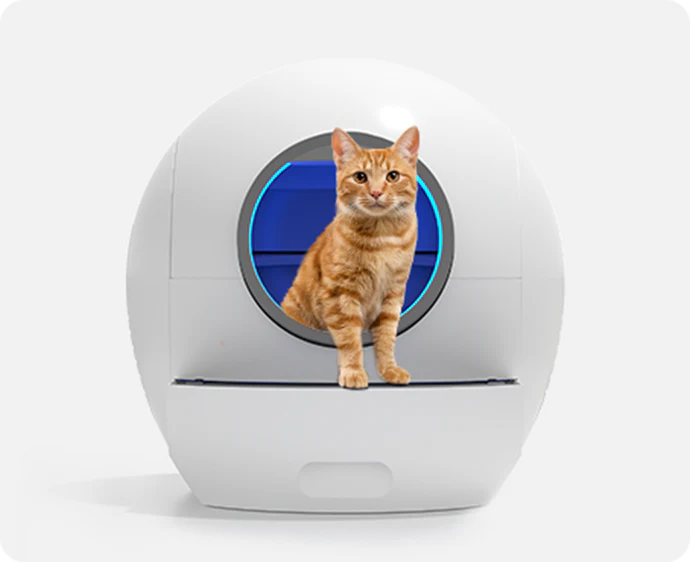
| Clean Environment | Keep litter boxes odor-free — automatic cleaning boxes can help. |
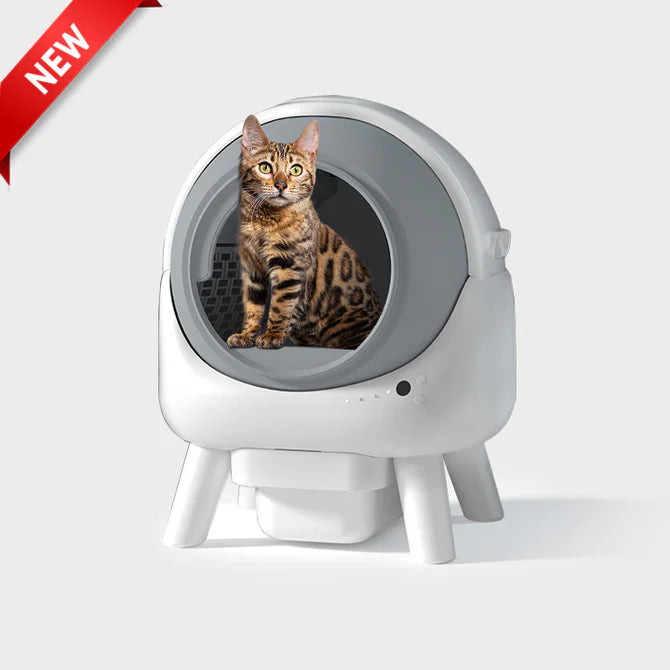
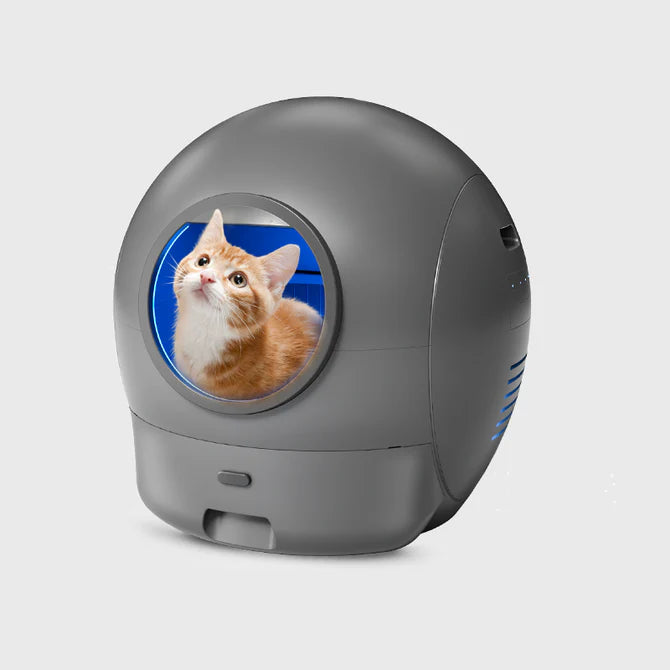
👉 Pro tip: A self-cleaning litter box (like those available at PetsDojo.com) keeps your cat’s space hygienic and reduces stress behaviors linked to dirty litter.
🐾 Conclusion: Weird Is Wonderful
Cats’ quirks aren’t random — they’re deeply rooted in evolution and emotion.
From kneading to chirping, these cat behaviors are windows into how they communicate, adapt, and express affection.
So the next time your cat knocks something off the shelf or stares into space — smile. Science says they’re just being perfectly, wonderfully feline.

1 Kommentar
Andrew Gordon
That describes perfectly about my CATS lolll~~~
That describes perfectly about my CATS lolll~~~