Does My Dog Need a Coat in Winter? Breeds That Feel the Cold
Does my dog need a coat in winter? Find out which breeds feel the cold, the signs your dog is chilly, and how to choose cosy winter wear that fits.
When the first frosty mornings arrive, many of us stand at the door with the lead in one hand and a little coat in the other, wondering: does my dog need a coat in winter, or is their fur enough? The honest answer is "it depends". Some dogs are built for snow, while others start shivering the moment the temperature drops. The good news is that a few simple clues tell you which camp your pup belongs to.
In this guide we'll look at the breeds and body types that tend to feel the cold, the signs that your dog is chilly, and how to choose winter wear that keeps them cosy without overheating.
Does my dog need a coat in winter? Start with their body
Dogs keep warm thanks to their coat, their body fat and their size. Breed is a useful starting point, but the dog in front of you matters more than any list. Ask yourself these questions:
- How thick is the fur? A single, short or very fine coat traps far less warm air than a dense double coat with a woolly undercoat.
- How big are they? Small dogs lose heat faster than big dogs, simply because they have more surface area compared with their body weight.
- How lean are they? Slim, athletic dogs with little body fat have less natural insulation.
- How close are they to the ground? Short-legged dogs walk with their tummy just above wet grass, puddles and snow.
- How old and how healthy are they? Puppies, senior dogs and dogs with health conditions often find it harder to stay warm.
If you answered "short, small, lean, low or young/old" to a couple of these, a coat on cold days is usually a kind idea.
Breeds that feel the cold
Every dog is an individual, but these groups are the ones most likely to appreciate an extra layer in winter.
Small and toy breeds
Chihuahuas, Toy Poodles, Yorkshire Terriers, Miniature Pinschers, Pomeranians and Maltese are all tiny, so they lose body heat quickly. Even fluffy little dogs can feel chilly once their fur gets damp.
Sighthounds
Greyhounds, Whippets and Italian Greyhounds have thin skin, very short coats and almost no body fat. They are famous for wanting to be wrapped up, and many owners keep a jumper for indoors as well as a coat for walks.
Short-coated breeds
French Bulldogs, Pugs, Boxers, Dachshunds (the smooth-haired kind), Boston Terriers and Staffordshire Bull Terriers have short, single coats with little undercoat to hold warmth.
Low-riders
Dachshunds, Corgis and Basset Hounds are close to the ground, so their chest and belly get wet and cold quickly on wintry walks.
Clipped and hairless dogs
Dogs with a fresh winter trim, and hairless breeds such as the Chinese Crested, have very little natural protection against wind and frost.
Dogs that are usually fine without one
Huskies, Malamutes, Samoyeds, Bernese Mountain Dogs, Newfoundlands and other thick, double-coated breeds were made for cold weather. Most of them don't need a coat at all, and dressing them up can actually make them too hot. A raincoat on very wet days is the exception, mainly to keep that thick fur from getting soaked and smelly.
Signs your dog is feeling the cold
Your dog can't tell you they're chilly, but their body language can. Look out for:
- Shivering or trembling
- A hunched back and tucked-in tail
- Lifting their paws off the ground, one after another
- Slowing down, stopping or trying to turn back home
- Searching for warm spots, burrowing under blankets or curling up very tightly
- Ears and paws that feel cold to the touch
If your dog seems very cold, lethargic, unsteady or confused after being outside, warm them up gently with blankets and contact your vet straight away. When in doubt, it's always best to ask.
Quick tip: try the "would I want a jacket?" test. If you're reaching for a scarf and gloves, your small or short-haired dog probably wants a warm layer too. Most dogs only need a coat for the walk itself, so take it off once you're back indoors to avoid overheating.
How to choose the right winter wear
Not all dog clothes do the same job. Think about where and when your dog will wear them.
Padded coats for cold walks
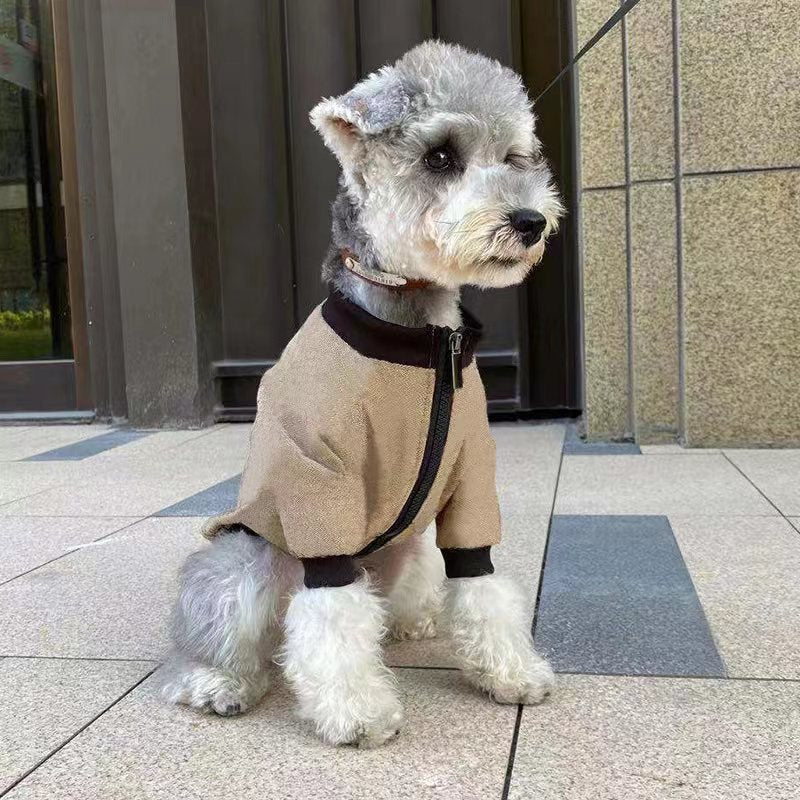
For frosty, windy days, a padded coat that covers the back and chest is the warmest choice. Our Teddy Winter Hoodie Coat has soft padding and a hood for cosy ears, which makes it a nice fit for short-haired breeds and small dogs that feel the cold first.
Hoodies and jumpers for chilly days
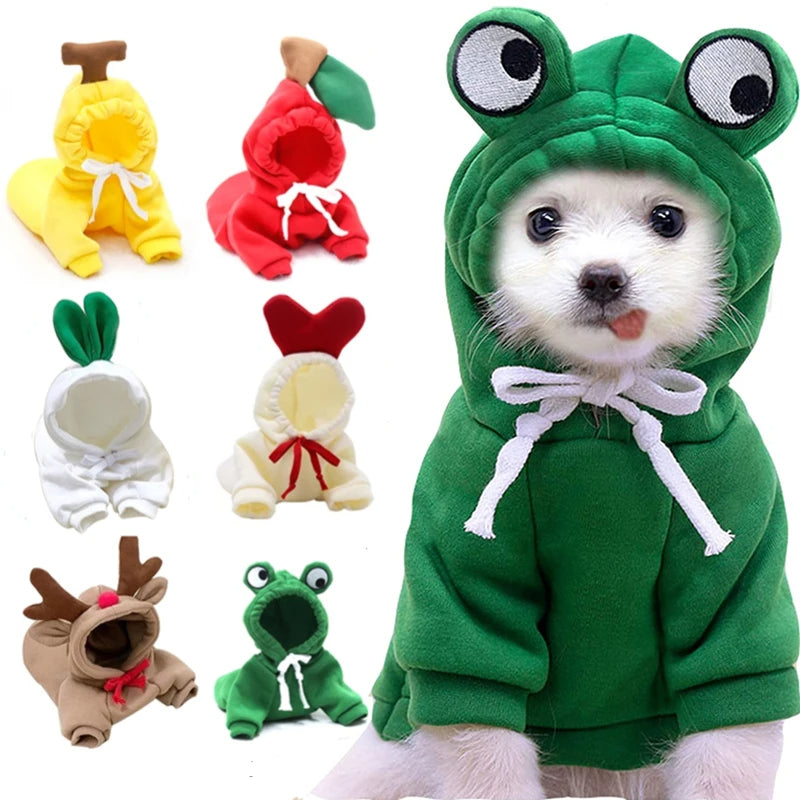
On crisp but dry days, or for dogs that just need a little extra warmth, a fleece hoodie or knitted jumper is often enough. The Fruity Fleece Hoodie is light and breathable, so your pup stays warm without getting too hot, and it's a favourite for winter photos.
Pyjamas for cosy evenings
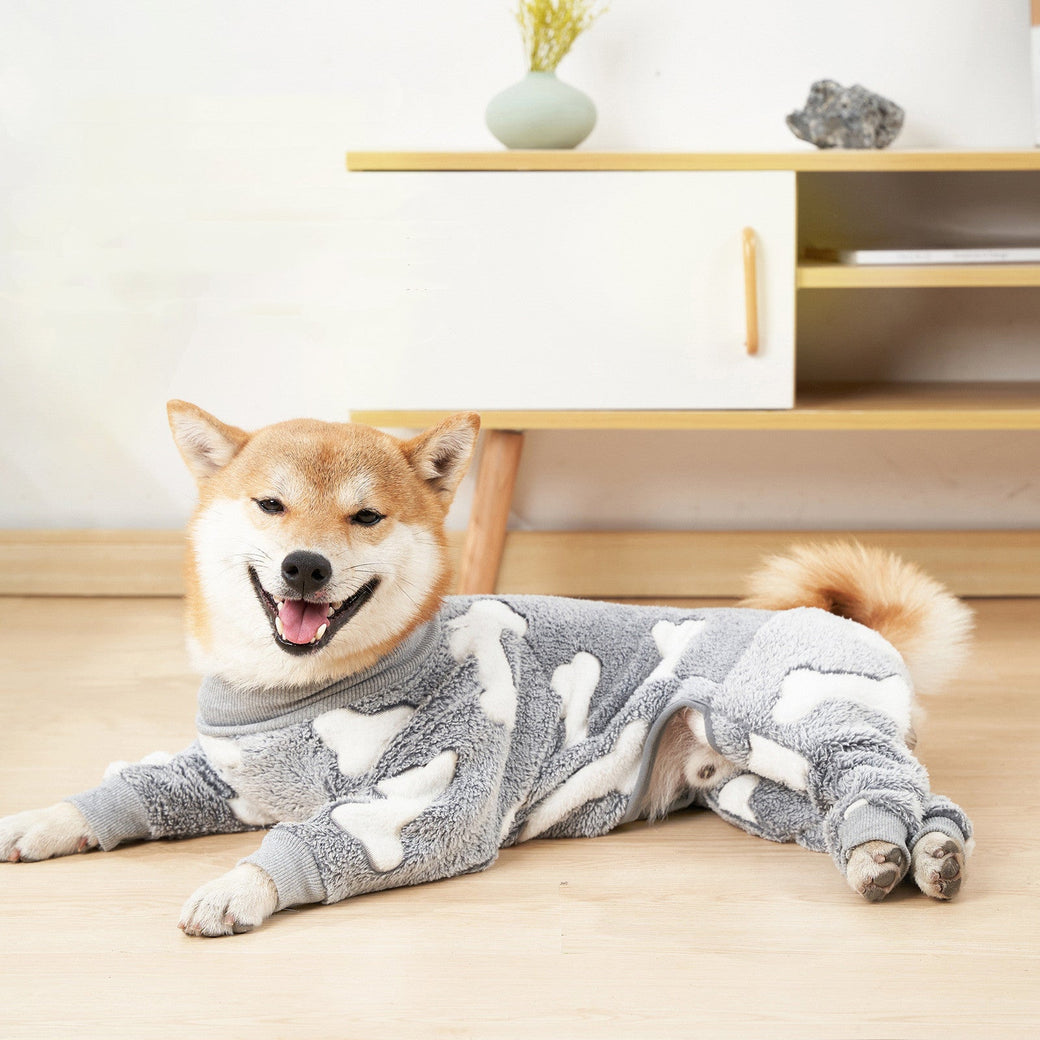
Sighthounds, hairless dogs and senior pups often feel the chill indoors too, especially at night or in draughty homes. Soft, four-legged pyjamas like our Starry Night Pajamas keep the whole body snug on the sofa and help keep shedding fur off your furniture as a bonus.
What to look for
- Coverage: the coat should cover the back from neck to tail base and protect the chest.
- Freedom to move: your dog should be able to walk, run, sit and go to the toilet comfortably.
- Easy on, easy off: fasteners or a stretchy fit make dressing quicker, especially for wriggly dogs.
- Visibility: winter days are short, so reflective details are a helpful extra on dark walks.
- Washability: winter walks are muddy, so pick something you can wash easily.
Getting the fit right
A coat only keeps your dog warm if it fits well. Too tight and it rubs under the front legs; too loose and cold air (and rain) sneaks in. Before you order, take three quick measurements: back length, chest girth and neck. Our step-by-step guide on how to measure your dog for a coat shows you exactly how, in about five minutes.
Once the coat arrives, check that you can slide two fingers under the neck and chest, and that your dog can move freely. If your pup has never worn clothes before, start with short, treat-filled sessions at home so the coat becomes something good rather than something strange.
More ways to keep your dog warm this winter
- Shorter, more frequent walks on very cold days, with play sessions indoors to make up the difference.
- Dry them off with a towel after wet walks, paying attention to the belly, legs and paws.
- Check the paws for ice, grit or road salt, and wipe them clean when you get home.
- A warm bed away from draughts, ideally slightly raised off a cold floor.
- Never leave your dog in a cold car, which can chill down quickly, just as it heats up in summer.
The bottom line
So, does your dog need a coat in winter? If they're small, short-haired, lean, low to the ground, very young or getting older, the answer is very likely yes, at least on the coldest and wettest days. If they're a fluffy snow-lover, they'll probably be happiest without one. Watch your dog, trust what you see, and adjust as the weather changes.
Ready to wrap up? Explore our Walks & Travel collection for coats, hoodies and raincoats, and enjoy those crisp winter walks together. 🐾

Pet people sharing simple tips for a happy everyday life with dogs and cats.