How to Measure Your Dog for a Coat, Raincoat or Jumper: A Simple Size Guide
Learn how to measure your dog for a coat, raincoat or jumper in five minutes: back length, chest and neck, plus how to read a size chart and check the fit.
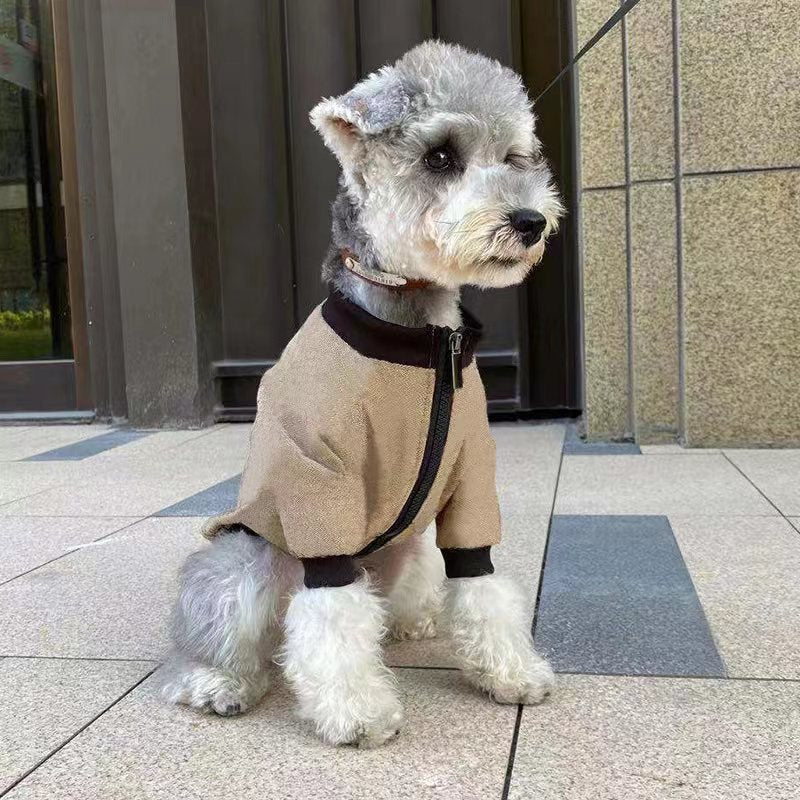
A new raincoat or jumper should feel like a hug, not a straitjacket. The good news: learning how to measure your dog for a coat takes about five minutes, a soft tape measure and a few treats. Get three simple numbers right and you'll pick the right size first time, whether it's a cosy knit for chilly mornings or a splash-proof raincoat for soggy walks.
In this guide we'll walk you through each measurement, explain how to read a size chart, and share our favourite fit checks so your pup stays comfy, warm and free to move.
What you need before you start
You don't need any special kit, just a little patience and a happy dog.
- A soft tape measure (the bendy sewing kind). No tape? Use a piece of string or a phone charging cable, mark it with your fingers, then lay it against a ruler.
- Treats to keep your dog standing still and feeling good about the whole thing.
- A pen and paper or your phone's notes app.
- A helper, if your dog is a wriggler. One person cuddles and feeds treats, the other measures.
Measure when your dog is calm, ideally after a walk. Ask them to stand rather than sit or lie down, because sitting changes the shape of the back and chest and can throw your numbers off by a few centimetres.
How to measure your dog for a coat: the 3 key measurements
Almost every dog clothing size chart uses the same three numbers: back length, chest girth and neck girth. Take each one in centimetres and write it down straight away.
1. Back length
Find the base of the neck, the spot where a collar naturally sits, just above the shoulders. Run the tape along the spine to the base of the tail (where the tail joins the body, not the tip). Keep the tape flat against the back, without pressing into the fur.
Back length decides how much of your dog the garment covers. For a raincoat, it's the number that matters most for keeping their back dry.
2. Chest girth
This is the most important measurement for comfort. Wrap the tape around the widest part of the ribcage, usually just behind the front legs. Keep it snug but not tight; you should be able to slide two fingers flat underneath.
If your dog has a deep chest or very fluffy fur, measure twice and use the bigger number. A coat that's tight around the chest will rub under the front legs and restrict movement.
3. Neck girth
Measure around the neck where a collar sits. Again, leave room for two fingers. The neck measurement matters most for high-necked styles like turtleneck knits and zip-up hoodie coats.
Bonus: weight
Some size charts, especially for pyjamas and full-body pieces, also list a weight range. Pop your dog on the scales (or weigh yourself holding them, then subtract your own weight) and note it down. Use weight as a cross-check, not the main guide, as two dogs with the same weight can have very different shapes.
Petsdojo tip: Measure each spot twice and take a photo of your notes. Dogs change shape through the year (hello, winter coat and holiday treats), so it's worth re-measuring every few months, and always before buying for a growing puppy.
How to read a dog clothing size chart
Sizes like S, M and L aren't standard between brands, so never guess from the letter alone. Instead, compare your numbers with the size chart on the product page. Our clothing charts list measurements in centimetres for chest, back and, where relevant, neck.
- Start with chest girth. Find the size where your dog's chest measurement fits comfortably. This is your starting point.
- Then check back length. If the back length is close, great. If it's a little long, that's usually fine for a raincoat; if it's much too long, the garment may get in the way when your dog does their business.
- Finally, check the neck for turtlenecks and zip-up coats.
Remember that charts usually list the garment's measurements. Your dog's chest should be a little smaller than the chart's chest number so there's room to breathe, move and play.
In between two sizes?
It happens all the time, especially with stocky breeds, deep-chested dogs and fluffy pups. As a rule of thumb:
- Size up if your dog has a broad or deep chest, a thick coat, or you plan to layer (for example a raincoat over a jumper).
- Size down only for stretchy knits on slim, short-haired dogs, and only if the chest still fits comfortably.
- Still not sure? Email us your dog's three measurements at service@petsdojo.com and we'll happily help you choose.
Fit tips by garment type
Different pieces are made to fit slightly differently, so here's what to keep in mind for each.
Raincoats
A raincoat should cover the back from the neck to near the base of the tail, with a little room underneath so it doesn't cling when wet. Reflective details help on dark autumn evenings. Our Reflective Splash Raincoat has a handy hood for wet walks. If you want more ideas for soggy days, read our guide to walking your dog in the rain.
Jumpers and knits
Knitted jumpers have natural stretch, so they can sit a bit closer to the body. Check that the turtleneck isn't tight and that the leg holes don't pinch. Our Cable-Knit Cuddle Sweater is a soft, classic choice for cosy mornings at home and chilly strolls.
Hoodies and winter coats
Zip-up and fleecy coats are less stretchy, so chest and neck measurements really count here. Make sure the zip closes without tugging the fur. The Teddy Winter Hoodie Coat has a high collar and a soft teddy feel for colder days.
Pyjamas
Full-body pieces cover the legs too, so back length and weight matter more. If your dog is long and low, choose by back length first and check that the legs aren't too long for little paws.
The 5-point fit check at home
Once the new piece arrives, try it on indoors before the first walk and run through this quick check:
- Two-finger rule: you can slide two fingers under the chest and neck.
- Free legs: your dog can walk, trot and sit without the fabric pulling under the front legs.
- Clear tail and toilet area: the back doesn't sit too low over the tail or belly.
- No rubbing: after a short wear, check the armpits and neck for any red or matted spots.
- Happy dog: some pups need a few short, treat-filled sessions to get used to clothes. If your dog seems stressed, keep wear time short and build up slowly.
If the size isn't right, don't worry. You can return it within 30 days (return shipping is on you unless the item is faulty or we sent the wrong one).
Ready to find the perfect fit?
With back length, chest and neck noted down, choosing your dog's next coat or jumper becomes easy. Have a browse through our Walks & Travel collection for raincoats, knits, hoodies and winter coats. Happy measuring, and enjoy those cosy walks together! 🐾

Pet people sharing simple tips for a happy everyday life with dogs and cats.